
Neuropeptides
Research-grade neuropeptides for in-vitro neuronal signalling and neuroreceptor research. Lab use only.
Research-grade peptides. All products are strictly for laboratory and research use only. Not sure? Take the quiz
Showing all 11 results
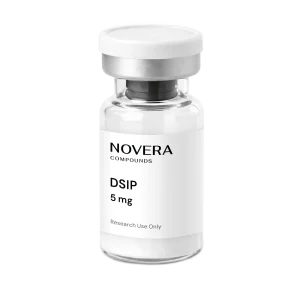
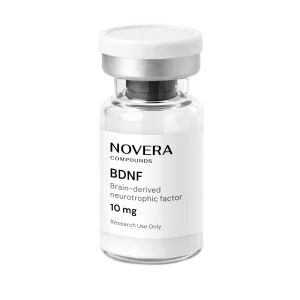
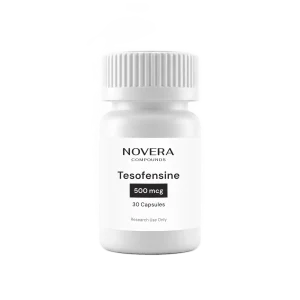
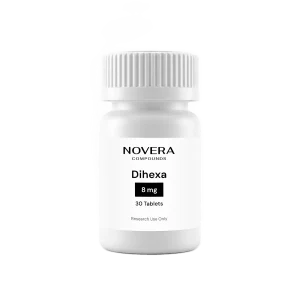
About Neuropeptides
Research Classification and Molecular Context
Neuropeptides are peptide compounds studied for their interactions with neuronal and neuroendocrine signalling systems. In scientific literature, neuropeptides may function as molecular signalling agents, receptor ligands, or pathway-specific research tools in defined cellular models.
Classification within this category is based on documented involvement in receptor interaction studies, neuronal communication models, stress-response signalling, hypothalamic-pituitary pathway research, and central nervous system-related cell models.
These compounds may be used in laboratory settings to examine synaptic signalling, neurotransmission-related molecular pathways, intracellular messenger activity, receptor binding, or neuroendocrine response models.
Research Applications
Neuronal Signalling and Receptor Interaction Studies
Neuropeptides may be studied in assays designed to examine receptor-ligand interactions and intracellular pathway activation. Research endpoints may include:
- Receptor-binding affinity
- cAMP or calcium signalling analysis
- MAPK pathway activation
- Neuroreceptor expression profiling
- Ligand-response modelling
These endpoints describe molecular activity in experimental systems and do not represent neurological or cognitive effects in humans.
Synaptic and Neurotransmission-Related Research
Some Neuropeptides appear in research involving synaptic communication and neurotransmission-associated signalling. Laboratory models may investigate:
- Synaptic marker expression
- Neurotransmitter-associated pathway activity
- Neuronal cell communication
- Signal transduction mechanisms
- Gene expression changes in neuronal cell systems
All studies remain limited to controlled research models.
Neuroendocrine and Stress-Response Pathway Models
Neuropeptides may also be examined in neuroendocrine research involving hypothalamic, pituitary, or stress-response signalling systems. Experimental areas may include:
- HPA-axis-related pathway models
- Corticotropin-releasing signalling research
- Pituitary cell models
- Stress-response mediator profiling
- Neuroendocrine receptor assays
These applications are research-only and do not imply endocrine or neurological outcomes in humans.
Selecting Neuropeptides for Research
Researchers selecting Neuropeptides typically assess:
- Receptor target profile
- Documented pathway relevance
- Molecular weight and sequence identity
- Solubility and stability
- Assay compatibility
- COA-confirmed purity and batch documentation
Elivena provides research-use compounds with supporting product specifications where available.
Elivena does not provide protocol design, administration guidance, or interpretation of experimental results.
Supply and Quality Standards
Neuropeptides available through Elivena are supplied for controlled laboratory research. Quality documentation may include:
- Certificate of Analysis
- HPLC purity confirmation
- Molecular identity verification
- Batch and lot documentation
- Storage and handling guidance
- Research-use-only classification
Elivena does not supply Neuropeptides for human or veterinary use.
Frequently asked questions
What are Neuropeptides studied for?
Neuropeptides are studied in laboratory models involving neuronal signalling, neuroreceptor activity, synaptic mechanisms, neuroendocrine pathways, and central nervous system cell biology.
Are Neuropeptides intended for nootropic use?
No. These compounds are supplied strictly for laboratory research and are not intended for cognitive enhancement, nootropic use, human use, or clinical application.
What assay types may be relevant?
Relevant assays may include receptor-binding studies, intracellular signalling analysis, neuronal cell culture models, gene expression profiling, and neuroendocrine pathway assays.