
Cosmetic Peptides
Research-grade cosmetic peptides for in-vitro skin biology and cosmetic science research. Lab use only.
Research-grade peptides. All products are strictly for laboratory and research use only. Not sure? Take the quiz
Showing all 3 results
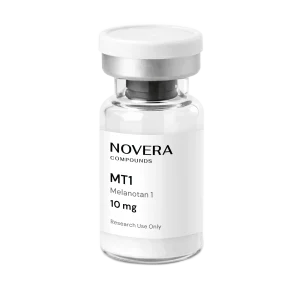
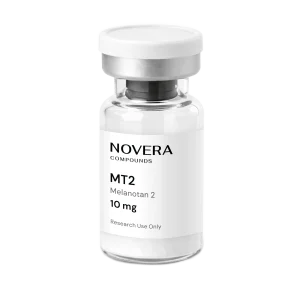
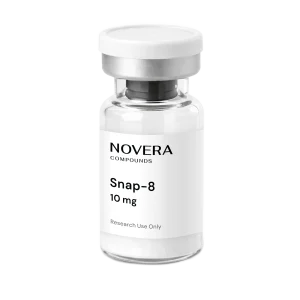
About Cosmetic Peptides
Research Classification and Molecular Context
Cosmetic Peptides function as research tools in molecular and cellular biology models related to skin-associated pathways. These compounds may be classified according to their documented roles in extracellular matrix signalling, fibroblast response models, collagen expression studies, melanocyte-related assays, and oxidative stress research.
Research involving these peptides often focuses on how amino acid sequences interact with cellular systems involved in matrix remodelling, pigmentation-related signalling, inflammatory marker expression, and dermal cell activity in vitro. Classification is based exclusively on experimental research profiles and documented molecular targets.
Compounds in this category may be used in controlled laboratory studies involving fibroblast cultures, keratinocyte models, melanocyte assays, ECM-related gene expression analysis, and biochemical pathway investigation.
Research Applications
Extracellular Matrix and Collagen Pathway Research
Cosmetic Peptides may appear in research involving extracellular matrix organization, collagen-associated gene expression, and matrix turnover markers. Laboratory studies in this area may include:
- Procollagen type I and III expression analysis
- Matrix metalloproteinase activity profiling
- TGF-β and Smad pathway research
- Fibroblast response assays
- ECM turnover marker quantification
These assays are used to examine molecular activity within defined cell culture systems and do not represent dermal or cosmetic effects in humans.
Melanogenesis and Pigmentation Pathway Models
Certain Cosmetic Peptides may be studied in melanocyte-related models to evaluate pigmentation-associated signalling pathways. Research endpoints may include:
- Tyrosinase activity analysis
- Melanin-content assays
- MITF pathway expression studies
- Oxidative stress marker evaluation
- Melanocyte response models
All findings in this area are interpreted as molecular pathway data within controlled experimental systems.
Oxidative Stress and Cellular Response Studies
Cosmetic Peptides may also be used in laboratory research examining oxidative stress responses in skin-representative cell systems. Common experimental endpoints include:
- Reactive oxygen species quantification
- Antioxidant enzyme activity analysis
- Nrf2-associated signalling research
- Cellular stress marker profiling
- Inflammatory mediator expression studies
These investigations support cosmetic science research at the molecular level only.
Selecting Cosmetic Peptides for Research
Researchers designing studies involving Cosmetic Peptides typically evaluate compounds based on:
- Documented molecular target profile
- Relevance to fibroblast, keratinocyte, or melanocyte models
- Published pathway data
- Peptide sequence identity
- Solubility and assay compatibility
- COA-confirmed purity and molecular verification
Elivena provides product specifications where available, including molecular weight, peptide format, purity data, storage requirements, and quality documentation.
Elivena does not provide experimental design guidance, dosing parameters, or interpretation of research outcomes.
Supply and Quality Standards
Cosmetic Peptides listed by Elivena are supplied as research-use-only biochemical materials. Quality documentation may include:
- Certificate of Analysis confirming identity and purity
- HPLC purity verification
- Molecular weight confirmation
- Batch-specific documentation
- Storage and handling information
- Research-use-only classification
Elivena does not supply these compounds for human or veterinary administration.
Frequently asked questions
What are Cosmetic Peptides used for in research?
Cosmetic Peptides are studied in laboratory models related to dermatological cell biology, extracellular matrix signalling, fibroblast activity, pigmentation pathways, and oxidative stress mechanisms.
Are Cosmetic Peptides intended for cosmetic application?
No. Cosmetic Peptides in this category are supplied strictly for laboratory research use only. They are not intended for topical use, cosmetic procedures, human use, or clinical application.
Which models are commonly used in Cosmetic Peptide research?
Common models may include fibroblast cultures, keratinocyte systems, melanocyte assays, ECM pathway studies, oxidative stress models, and gene expression analysis.